
Hydrogen utilisation for liquid biofuels processing

Hydrogen is used to process liquid biofuels such as Hydrotreated Vegetable Oil (HVO) and Hydroprocessed Esters and Fatty Acids (HEFA).
This application multiplies the beneficial impact of hydrogen since it is used in tiny amounts as a chemical reagent to enable the mass use of clean liquid biofuels.
HVO is a broad classification of liquid fuels derived from vegetable oils, such as rape seed oil. HVO can be used in bio-diesel or sustainable aviation fuel (SAF). In addition to plant-based oils, HEFA can contain treated animal fats such as beef tallow or poultry fat. These are heavier hydrocarbons which are often solid at room temperature.
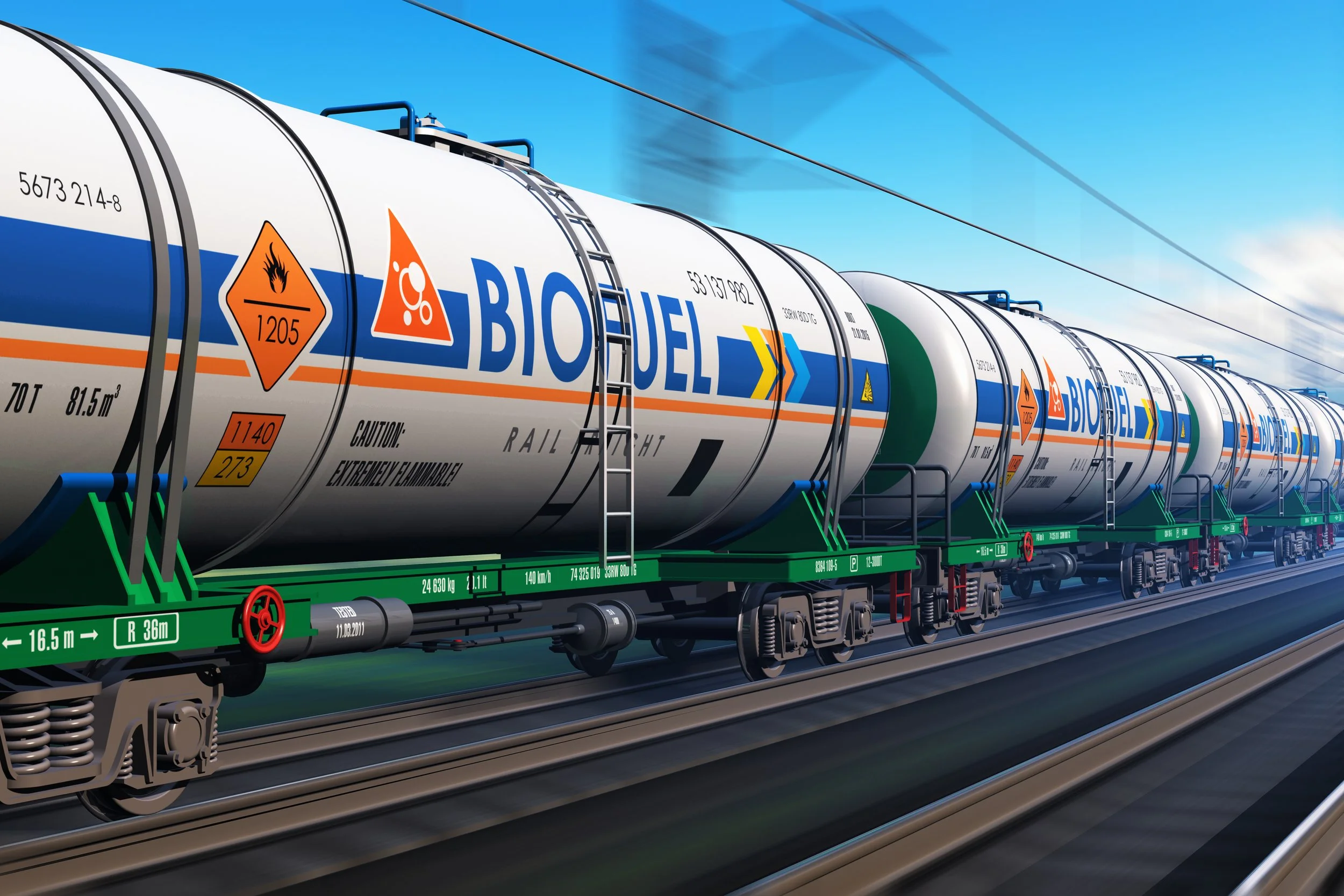
Image courtesy of sbh4 consulting
Hydrogenation
Unsaturated hydrocarbons can be unstable and polymerise over time, especially if traces of oxygen are present. Over several months, this transforms the fuel, making it cloudy with solid fats. This would result in the fuel failing to meet the required specification for cloud point and pour point.
The hydrogenation reaction targets double bonds between unsaturated carbon atoms. Hydrogen splits the double bond and joins the hydrocarbon molecule. Hydrogen, therefore, plays an essential role in ensuring driver and passenger safety in biofuels.
The pour point describes how thick, or viscous the fuel is at low temperatures experienced during flight or when driving a truck in winter. Viscous fuel is hard to pump to the engine. The cloud point is related to the temperature at which heavier hydrocarbons in the bio fuel mixture freeze. These lumpy particles prevent fuel from reaching the engine. In the worst case, the aircraft or truck engine can stall due to lack of fuel supply.
First generation bio-diesel (Fatty Acid Methyl Esters, or FAME) did not remove the oxygen and has a shelf life of months, whereas HVO is stable for many years.
Hydrodeoxygenation and hydrocracking
Vegetable oils, esters and fatty acids contain oxygen atoms which can be removed to increase the cetane value of the fuel. Removal of the oxygen also reduces the corrosive potential and ensures that the resultant biofuel can be a drop-in replacement for conventional fossil diesel or kerosene without changes to containment materials such as steel, rubber seals and gaskets. The chemical conversion to remove the oxygen for HVO production is known as hydrodeoxygenation.
Hydrocracking uses hydrogen to chop large hydrocarbons such as triglyceride into smaller molecules. In this example, the fatty acid chains from the triglycerides are converted to diesel-length molecules, and the residual glycerol is converted to propane which can be recovered from the process as sustainable liquefied petroleum gas (Bio-LPG), or burned at the biorefinery to generate energy for the various reactions and separations.
On the bio-refinery, hydrogenation, hydrocracking and hydrodeoxygenation take place by reacting the feedstock with hydrogen at around 30 bar pressure at a temperature close to 300 °C. Various metal catalysts combined with acidic promoters are known to enhance the reaction. Cobalt-molybdenum or nickel-molybdenum catalysts have been shown to be effective.
Bulk hydrogen supply
The city of Los Angeles in California is home to a circa 12 mile hydrogen pipeline. It has been built by Air Products, largely through re-purposing crude oil, natural gas and refined products pipelines. The south west end of the pipeline is in the industrialised City of Carson, where hydrogen is produced on a steam methane reformer at a large petroleum refinery.
Hydrogen travels through the pipeline and heads to north and east. It traverses the cities of Los Angeles, Long Beach, Lakewood and Bellflower. The final offtake point is at the World Energy’s biorefinery, in the City of Paramount.
World Energy uses 20 tonnes per day of hydrogen to convert up to 3,500 barrels per day of non-edible vegetable oils and beef tallow into renewable fuels. The bio-fuel products include aviation kerosene, diesel, gasoline, and fuel gas.
If the pipeline did not exist, more than 20 compressed hydrogen truck deliveries would be required each day to deliver hydrogen to World Energy’s Paramount Refinery. Avoidance of these truck movements improves urban safety, in addition to reducing traffic congestion and air pollution from the vehicle emissions.
Food versus fuel
Re-allocation of land from food crops to energy crops must be considered carefully. In Europe, there have been restrictions placed on the amount of agricultural land that can be diverted from food production to fuel crops.
Some years ago there was concern that too many farmers were growing crops for biogas production rather than marketing their crops as food for livestock or people. This led to growth in biomethane production as a renewable fuel, but was simultaneously perceived to trigger food price inflation.
‘Food versus fuel’ considerations have led to a preference for waste oils as the input to HEFA processing facilities. However, there are only so many chips that get fried around the world. Waste oils are not produced for fuel, they are a secondary result of food preparation.
Biofuels from waste vegetable oils have a useful net-zero contribution, but limited scalability. However, the solution to scalability is not to convert Asian forests to palm-oil plantations for biofuel production.
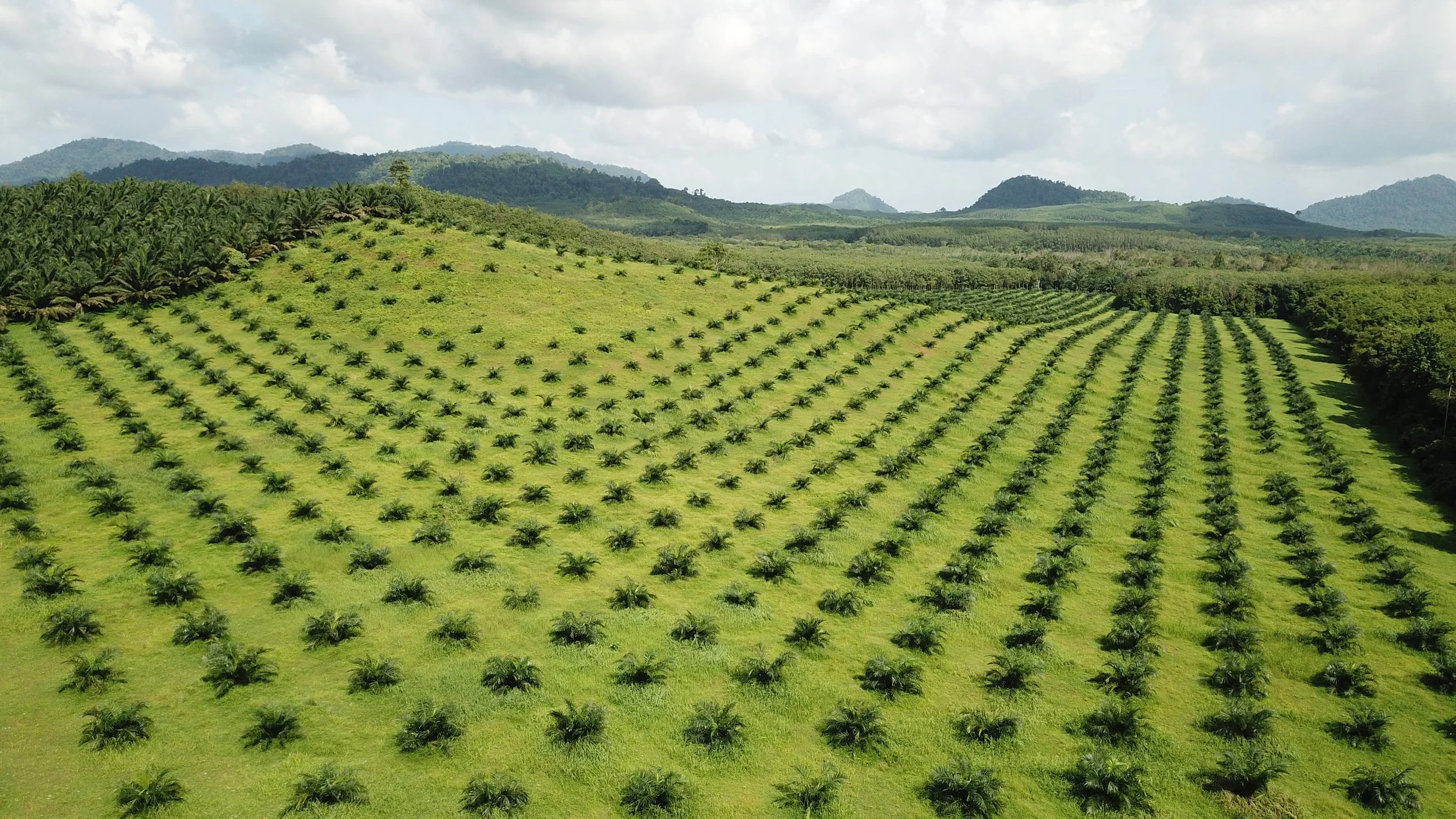
Image courtesy of sbh4 consulting
Responsible sourcing
To prevent the use of virgin palm oil in biofuels and Sustainable Aviation Fuel (SAF), the European Union has implemented a regulatory squeeze using three legislative pillars.
Preventing Indirect Land Use Change (ILUC)
The Renewable Energy Directive (RED III) targets palm oil because of its high risk of ILUC, where agricultural land is cleared for fuel crops, leading to deforestation elsewhere to increase the available agricultural land. For road transport applications, as of 2023, the amount of palm-based biofuel that EU countries can count toward their renewable energy targets was frozen at 2019 levels. Since 2024, this allowance has been progressively reduced. By 2030, virgin palm oil use will be phased out completely.
Exclusion from Sustainable Aviation Fuel
The ReFuelEU Aviation regulation, which began its mandates in 2025, declares that food and feed-based biofuels, including virgin palm oil, are excluded from the SAF mandate. It also excludes Palm Fatty Acid Distillate (PFAD), a byproduct of palm oil refining that was previously used as a "waste" feedstock, to close any loopholes and prevent palm oil entering the supply chain under a different name.
The EU Deforestation Regulation (EUDR)
This regulation controls imports of virgin palm oil. It entered into effect for large importers in 2025 and obliges them to prove that their palm oil was not produced on land deforested after 31st December, 2020. Furthermore, importers must provide precise coordinates of the farm on which the palm was grown. If the origin cannot be traced, the palm oil cannot be sold in the EU.

Second generation biofuels
With recognition of the scalability limitations of first generation biofuels and their potential to result in food scarcity and environmental habitat loss, so-called second generation biofuels have emerged. They are produced from non-food crops and post-harvest waste.
Algae is also a source of esterified lipids which can be extracted from the algae to be processed in a similar manner to the HEFA products. Pyrolysis oils derived from waste lignocellulosic biomass, such as straw can also be processed in this way.
Gasification of forestry waste can also yield syngas for methanol and Fisher Tropsch fuel production. In these cases, no land must be diverted from food production to generate clean biofuels. Biofuels generated through this pathways are currently being considered for new large-scale clean-fuels production plants in Europe and the USA.
***
Author credit – Stephen B. Harrison, sbh4 GmbH
sbh4 is an independent advisory firm focused on decarbonisation and defossilisation through e-fuels, e-fertilizers, biofuels, SAF, CCTUS, GHG emissions reduction, and the emerging hydrogen economy. For more information, visit www.sbh4.de.