
Intelligent Energy powers UK’s first long-range hydrogen drone trial
A fuel cell system from Intelligent Energy has powered the UK’s first hydrogen-fuelled Beyond Visual Line of Sight (BVLOS) drone flight.
A breakthrough in long-range aerial operations with the potential to transform emergency response, infrastructure inspection and deliveries to remote areas.
The flight trial was coordinated by BT, with support from aviation systems specialist uAvionix, BVLOS specialist operator Skyfarer, and Intelligent Energy. The aim was to demonstrate how hydrogen power and advanced command-and-control technology can safely extend drone missions beyond the pilot’s visual line of sight – the current limit set by the UK Civil Aviation Authority.
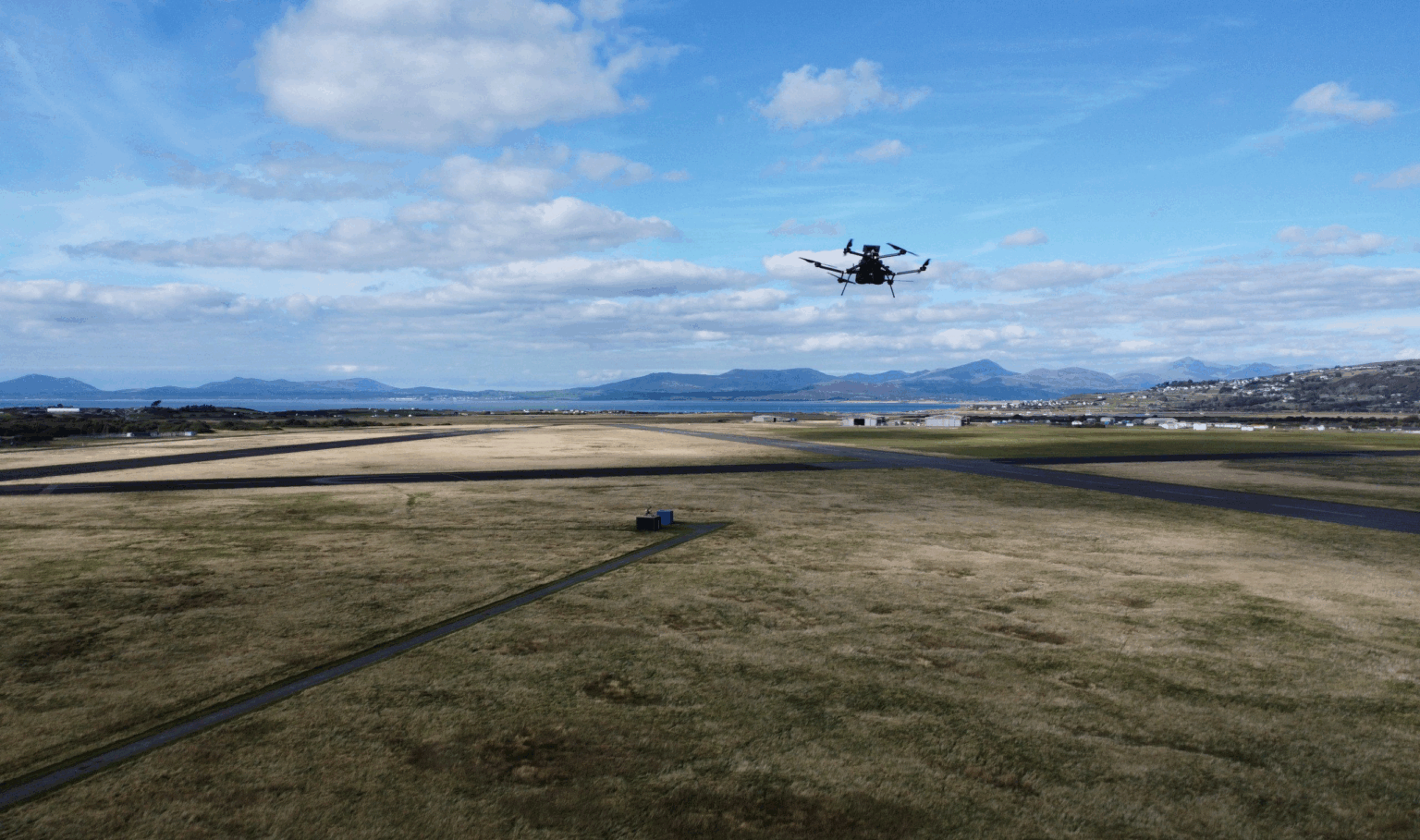
Image ©Intelligent Energy
At the centre of the test was a six-blade hexacopter weighing 25kg and powered by Intelligent Energy’s IE-SOAR™ fuel cell system. The aircraft took off from Llanbedr, Wales, flying deep into Eryri National Park and up to 10km offshore.
Control was maintained throughout via uAvionix’s SkyLine standards-based command and control system. SkyLine seamlessly combines aviation protected spectrum C-Band radio, cellular and satellite datalinks to provide the low latency, high integrity, high assurance command and control required for long-range BVLOS operations.
Andy Kelly, Head of Product Line at Intelligent Energy, said: “The trial was another strong validation of what hydrogen fuel cells can achieve in UAV applications.
“The combination of reliable long-range communications and the extended flight time of our IE-SOAR system shows how hydrogen power can move UAV operations to the next level, enabling real-world, long distance missions that battery systems simply can’t deliver. It’s a step towards certified, market ready services that will allow drones to fly further, carry heavier payloads and operate safely in remote areas.”
Hydrogen fuel cells offer far greater energy density than lithium-ion batteries, allowing drones to fly for hours rather than minutes. They also refuel rapidly and emit only water vapour.
Together, these advantages make fuel cell-powered UAVs ideally suited to long range tasks such as search and rescue in remote areas, infrastructure and pipeline inspection and logistics in hard-to-reach or high-risk environments.

The IE-SOAR system – already proven across multiple UAV platforms – delivers scalable power from 800W to 2.4kW for commercial and industrial drones. It is designed and manufactured at Intelligent Energy’s headquarters in Loughborough, part of the UK’s growing East Midlands hydrogen technology cluster.
Dave Pankhurst, Future Connected Solutions Director at BT, said: “At our Drone Connect Demo Day in Snowdonia we supported the UK’s first hydrogen powered Beyond Visual Line of Sight drone flight, proving how multi-layered connectivity and hydrogen power can enable longer, zero-carbon flights in challenging environments. It’s a big step toward certified services that will let emergency responders and logistics providers operate further, safer and more sustainably than ever before.”
For more information, visit www.intelligent-energy.com.